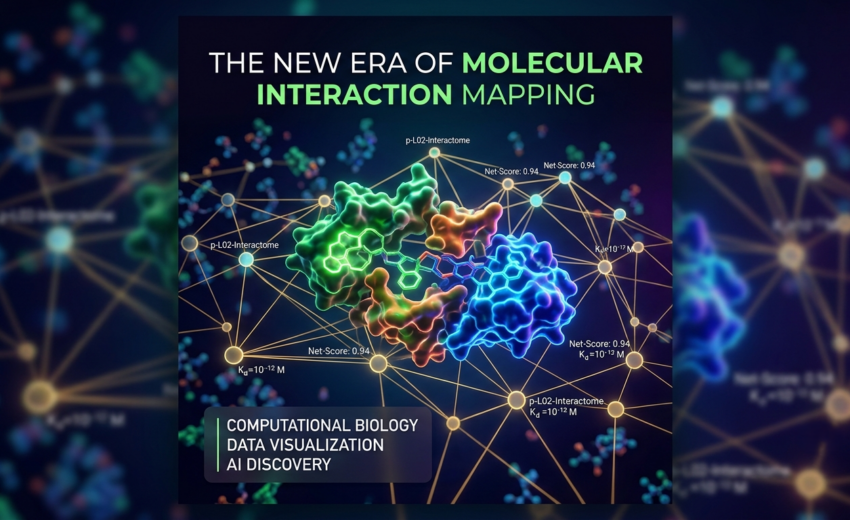
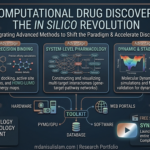
Translating a chemical compound into a viable therapeutic traditionally takes over a decade. However, the integration of computational biology, molecular docking, and network pharmacology is changing the paradigm by significantly reducing early-stage discovery timelines.
For researchers, computational chemists, and biotech enthusiasts, leveraging in silico frameworks offers three key advantages:
 Target Precision & Binding Affinity
Molecular docking allows us to predict structural binding modes and interaction energies at the atomic level before investing heavy resources in wet-lab experiments.
 Multi-Target System Mapping
Rather than relying on a traditional “one drug, one target” approach, network pharmacology helps visualize multi-target biological interactions to understand complex disease mechanisms holistically.
 Data Clarity & Reproducibility
High-resolution 3D visualizations and kinetic simulations transform raw numerical data into clear, interpretable visual evidence for research manuscripts and peer reviews.
 Quick Takeaway for Researchers:
When setting up docking parameters, always prioritize high-resolution protein crystal structures (preferably < 2.0 Angstrom) and carefully validate active site coordinates against known co-crystallized ligands to minimize false positives!
What tools or algorithms are currently transforming your scientific research workflow? Let’s share insights below! 
July 8, 2026